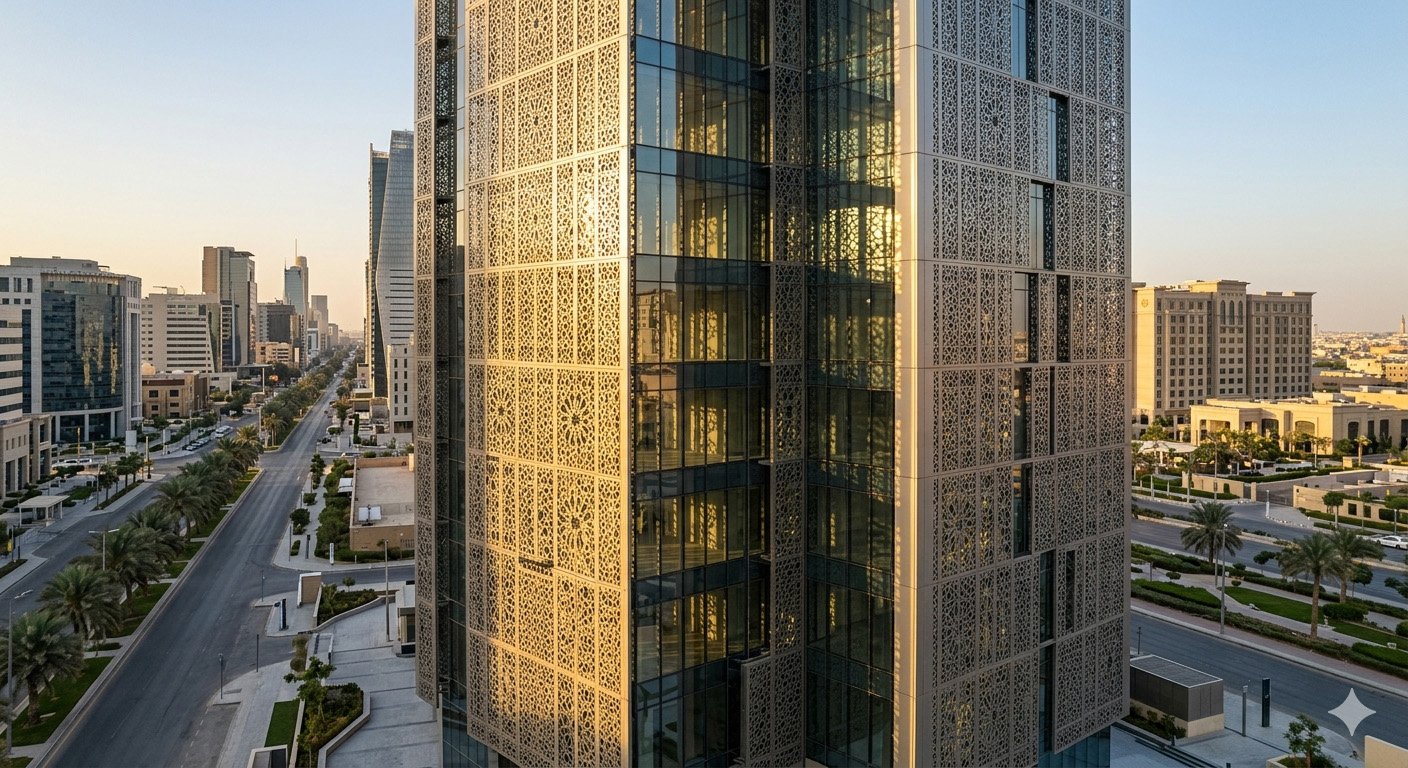
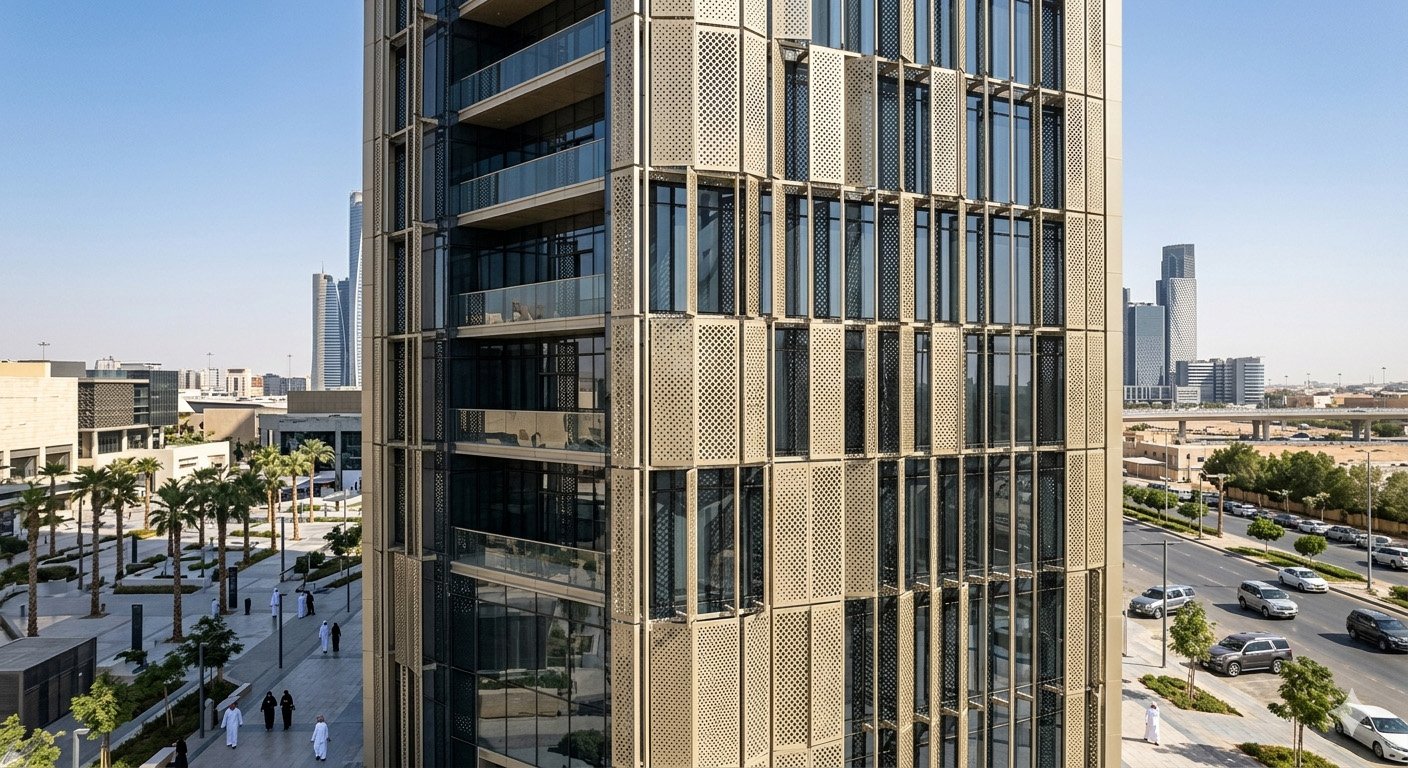
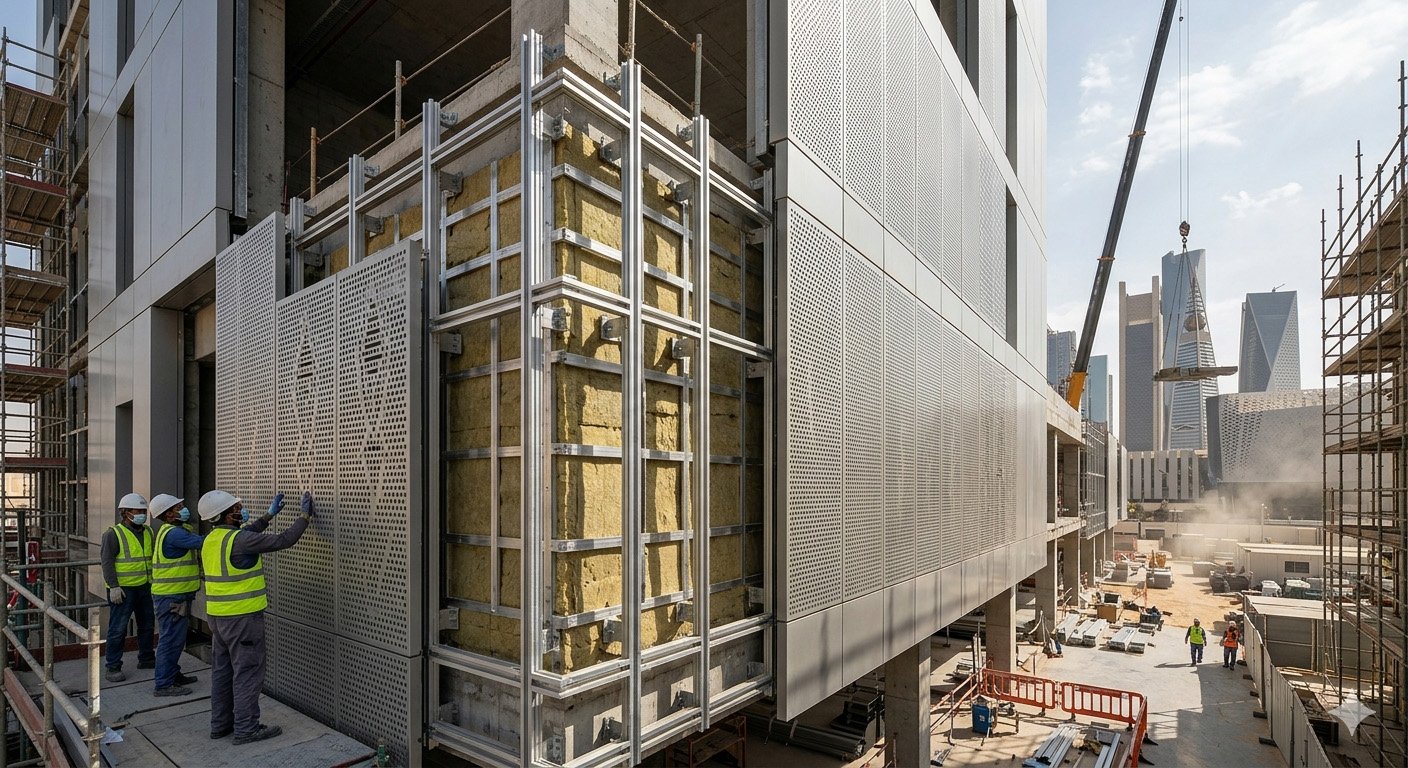
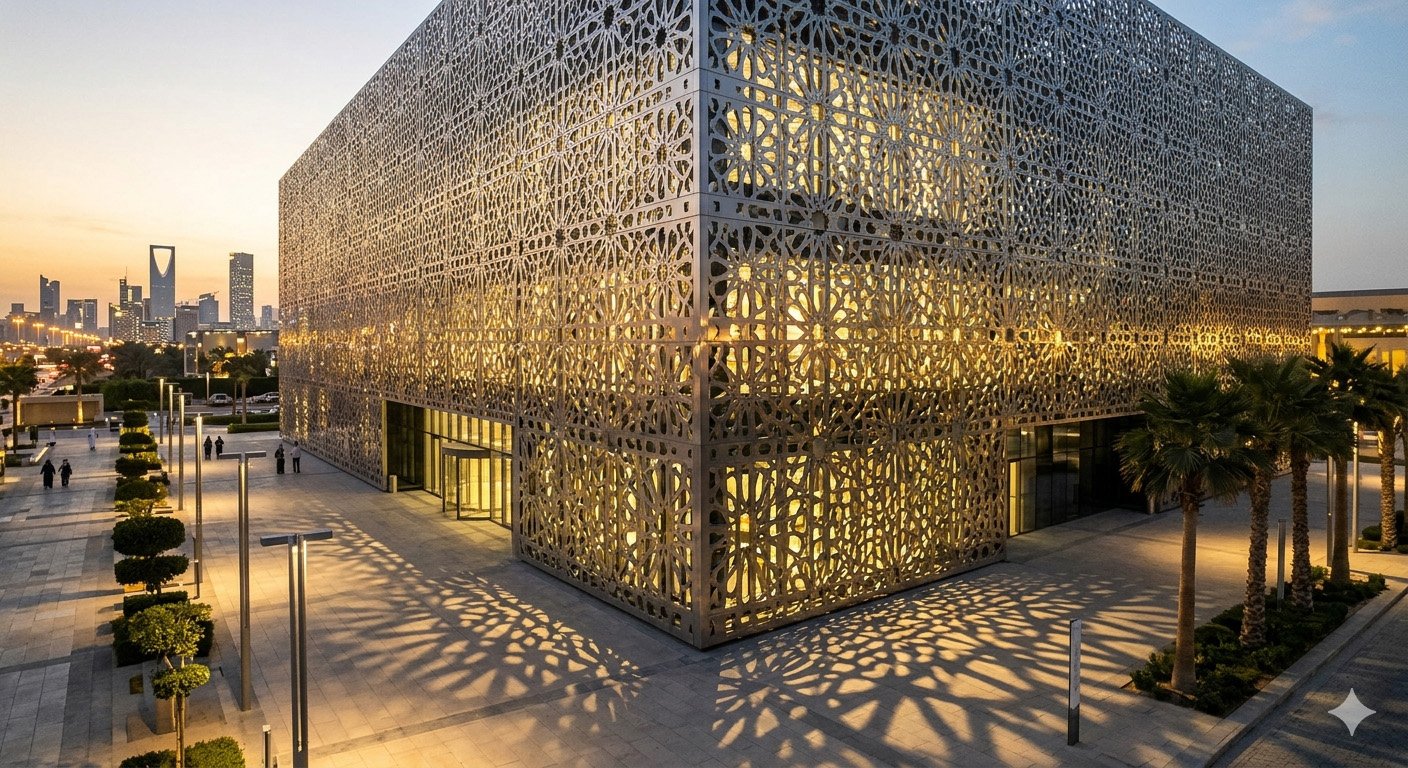
Perforated cladding panels do something solid panels don’t: they manage solar heat, allow air movement, and create a facade layer that’s architectural rather than purely functional. And a perforated screen reduces heat load on the building while giving the exterior a designed appearance that solid cladding can’t achieve.
Etihad Golden Falcons produces perforated cladding panels, including custom perforation layouts, standard pattern options, and architectural screen panels in aluminum and ACP, cut with consistent hole geometry across every panel in the production run and finished to the color specification of the overall facade system.
Trusted by 1000+ Customers


Patterned metal panels for facades

Perforated screens for architectural use

Cladding panels with air circulation gaps

Precision laser-cut decorative panels
Creative vision, technical capability, and precise execution. That is how we deliver results that matter to your business.
Businesses come back to Etihad Golden Falcons because we deliver consistent results across industries and scopes. A professional team, 1,000+ satisfied clients, and full in-house capability, for every project, every time.
Every signage project runs through four stages, each confirmed before the next begins.
We install all types of signage, digital displays, LED video walls, ACP panels, aluminum works, shopfront branding, and building facades.
Turnaround time depends on the project type and quantity. Standard jobs typically take 2–5 business days, while urgent orders can be expedited upon request.
Regular maintenance is recommended at least twice a year, or more frequently for high-traffic areas or outdoor installations exposed to harsh weather.